Pigmentation
What causes skin pigmentation, the common types, and how a clinical skin assessment approaches uneven tone
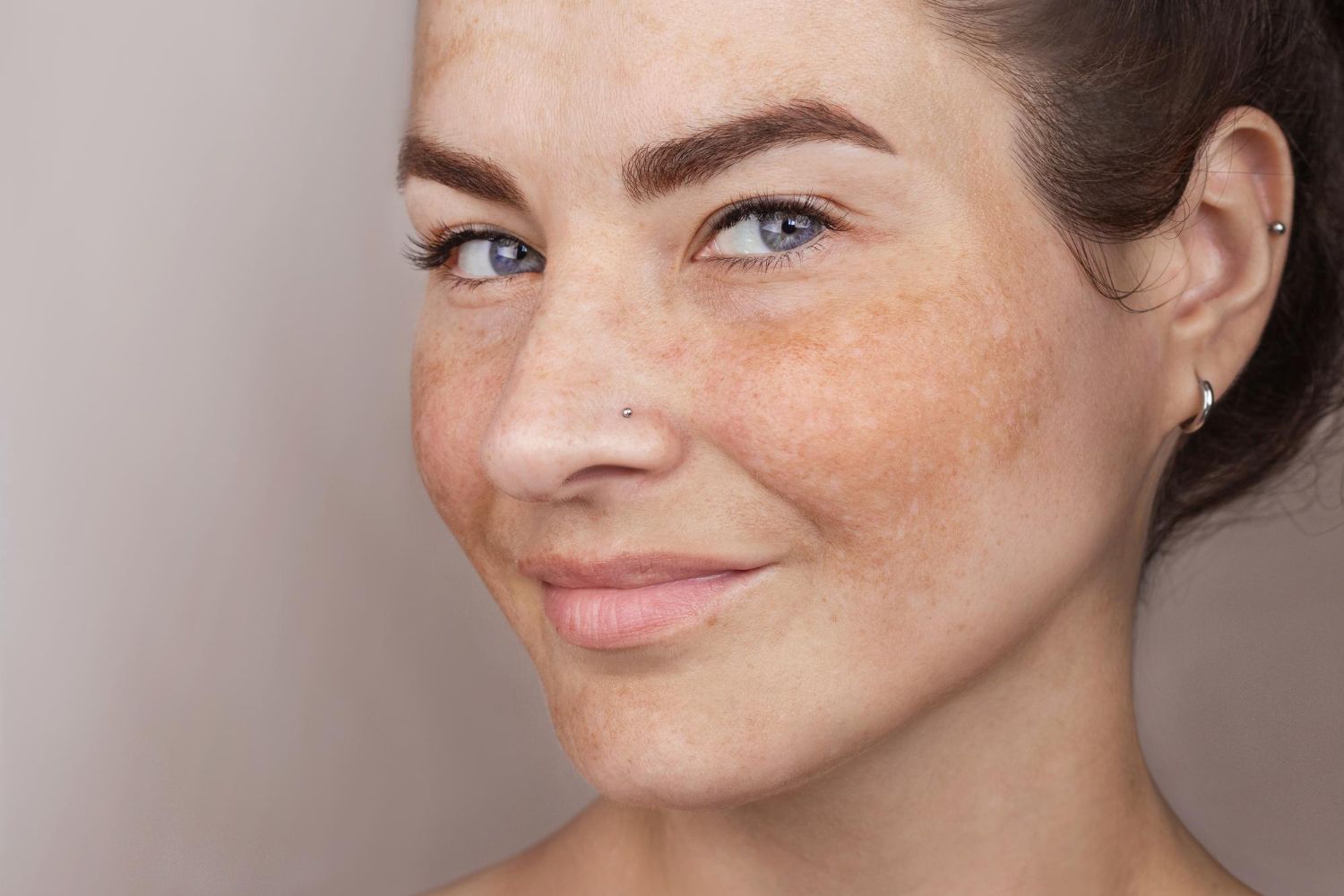
Skin pigmentation: why it appears and what a clinical assessment looks at:
Uneven skin tone is one of the most common reasons people come in for a consultation — and one of the most misunderstood. Pigmentation can look similar on the surface but come from very different causes, and that’s exactly why understanding your skin pigmentation causes matters before deciding what, if anything, to do about it.
This is general information, not medical advice. Everyone’s skin is different, and what’s suitable is assessed in person.
What pigmentation actually is
Pigmentation refers to the colour in your skin, produced by cells called melanocytes. These cells make melanin — the pigment that gives skin its tone and helps protect it from the sun. When melanocytes produce more pigment in some areas than others, or the pigment clusters together, you see darker patches, spots or an overall uneven tone.
It’s worth saying up front: pigment-making is a normal, healthy process. The goal of understanding it isn’t to “fix” something wrong with your skin, but to know why an area looks the way it does — because the cause changes everything about how it’s best approached.
The common types
Not all pigmentation is the same, and telling them apart is the single most important step:
- Sun (or age) spots: flat, darker spots that appear on areas with the most cumulative sun exposure — the face, hands, chest and shoulders. They tend to build up gradually over years.
- Freckles: small, flat spots that often darken with sun and fade in cooler months. They’re usually genetic and appear early in life.
- Melasma: larger, often symmetrical patches, commonly linked to hormonal changes such as pregnancy, certain medications or the contraceptive pill. Melasma can be stubborn and is easily aggravated by sun and even heat.
- Post-inflammatory pigmentation: marks left behind after the skin has been irritated or inflamed — for example after a breakout, a scratch, or an aggressive treatment. It’s more noticeable, and can linger longer, in deeper skin tones.
Two people can have marks that look almost identical to the eye but sit in completely different categories — which is why a photo is never enough to say what’s going on.
Why it appears
The most consistent driver by far is sun exposure. Ultraviolet light stimulates melanocytes to produce more pigment, and years of accumulated exposure show up as spots and patches later on. Hormones are the key player in melasma. Age, genetics and any history of skin inflammation all contribute too.
Because these causes overlap — someone can have sun damage and melasma at once — the same visible result can need very different care. That overlap is the reason pigmentation is one of the trickiest concerns to self-diagnose.
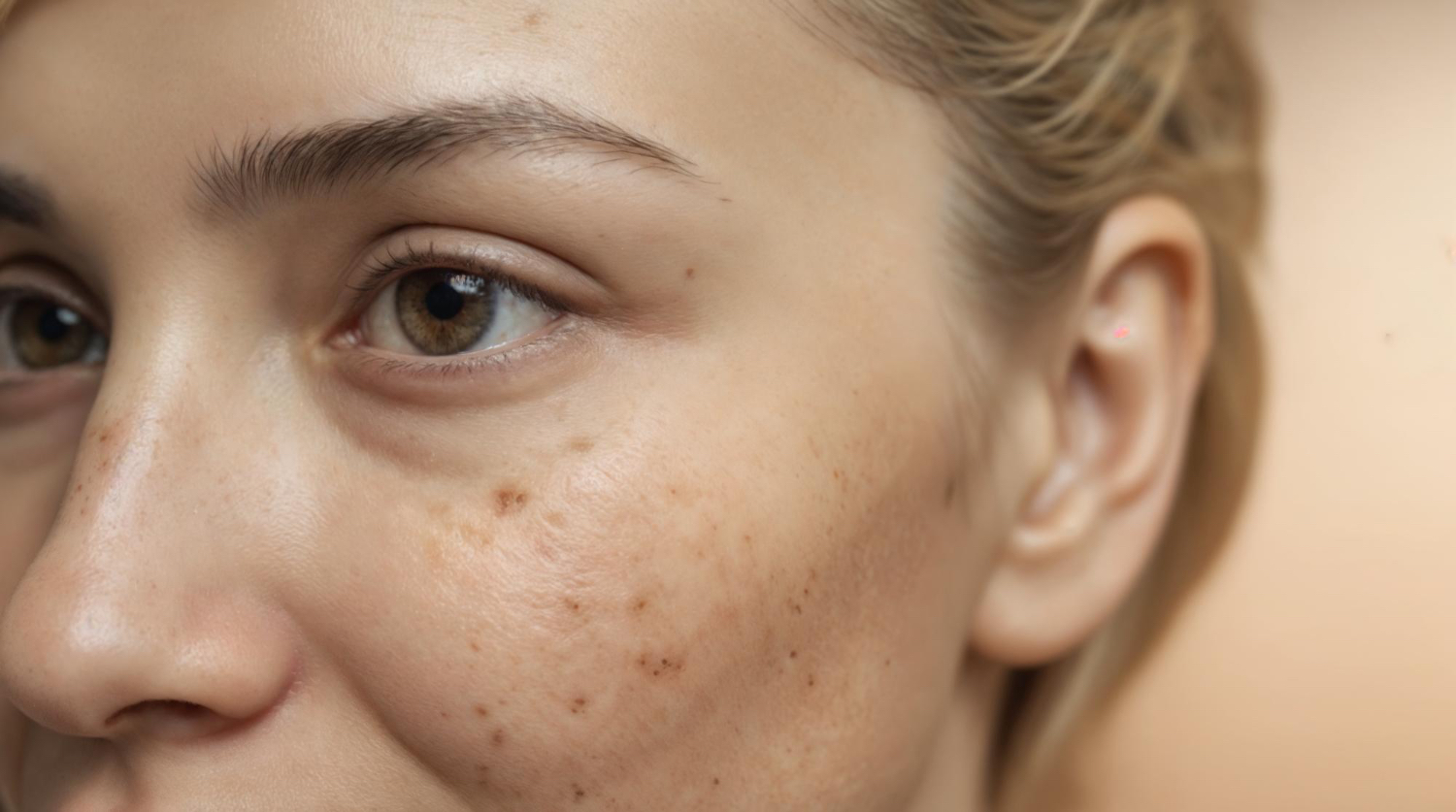
Why Queensland skin sees more of it
If you live in Brisbane, Logan or on the Gold Coast, pigmentation is an especially common concern, and it’s not a coincidence. Our UV levels are high for much of the year — often high enough to affect skin even in winter. That constant, background exposure adds up over a lifetime and is a major reason uneven tone is so widespread locally. It also means daily sun protection isn’t a seasonal habit here; it’s a year-round one.

What can make pigmentation worse
Some of the most common ways pigmentation is unintentionally aggravated include:
- Unprotected sun exposure, which can undo months of careful skincare.
- Heat — a lesser-known trigger for melasma, which can flare from hot environments, not just direct sun.
- Picking or squeezing breakouts, which raises the risk of post-inflammatory marks.
- Harsh or mismatched actives used without guidance, which can inflame the skin and deepen pigmentation rather than settle it.
This last point matters: an approach that suits sun spots can actively worsen melasma. It’s a big reason we don’t recommend a routine or a treatment from a menu.
Everyday habits that support a more even tone
Regardless of the type, a few basics genuinely help and cost nothing to start:
- Daily broad-spectrum SPF, reapplied when you’re outdoors — the most important habit for anyone concerned about tone.
- A gentle, consistent routine rather than frequent harsh products.
- Sun-smart behaviour — shade, hats and sunglasses, especially in our climate.
None of this is a treatment, and none of it promises a result. It simply gives your skin the best baseline before anything else is considered.
A few common myths
- “It’s all about wrinkles.” As above, structure and volume are often the bigger story.
- “Expensive creams rebuild collagen dramatically.” Good skincare supports the skin, but claims should be treated with healthy scepticism.
- “Ageing is something to fight.” It’s a normal process. Whether you do anything about it is a personal choice, not an obligation.
Why it's assessed in person
Pigmentation is a textbook example of why a clinical assessment matters. The type, depth and cause all shape what’s appropriate — and, as above, some approaches that suit one kind of pigmentation can aggravate another. That’s why we don’t recommend anything from a photo. An assessment looks at your skin, your history and your goals, and we talk honestly about what may — and may not — help.
What a skin analysis looks at
During a consultation, a clinical skin analysis helps us look beyond the surface: the pattern and depth of pigmentation, whether more than one type is present, your skin type, your sun history and lifestyle factors. Depth matters in particular, because pigment sitting deeper in the skin behaves differently from pigment near the surface.
From there, any options — from targeted skincare through to peels or light-based treatments — are discussed privately, with realistic expectations and the risks explained. Pigmentation is often managed rather than “erased”, frequently needs an ongoing, sun-smart approach, and individual results vary. Suitability is always assessed first.
What to do next
If uneven tone is bothering you, the most useful first step isn’t choosing a treatment — it’s understanding what’s actually going on with your skin. A consultation is exactly that: an assessment and an honest conversation, with no pressure to proceed.
Book a consultation at Refine Aesthetics, Browns Plains — serving Brisbane, Logan and the Gold Coast.
This article is general information only and not medical advice. Any procedure carries risks; outcomes vary and are assessed individually. Refine Aesthetics · Douaa Al Hamad, Registered Nurse.